Starting from Namba and walking through its busiest and most commercial areas, you begin to understand Osaka’s approach to “history.” It is not about preservation, but continuation. Not about display, but use. These century-old establishments are worth visiting precisely because they still exist in the present.
In the busiest areas, time is hidden the deepest
Namba is often seen as one of the most immediate and bustling areas of Osaka, filled with neon lights, tourists, and constant movement. It is not a place where you would immediately associate with century-old establishments. Yet in this setting, the presence of these old shops feels particularly honest. They are not curated as cultural attractions or set apart for protection. Instead, they are naturally embedded in everyday routes, aging and adapting alongside the city.
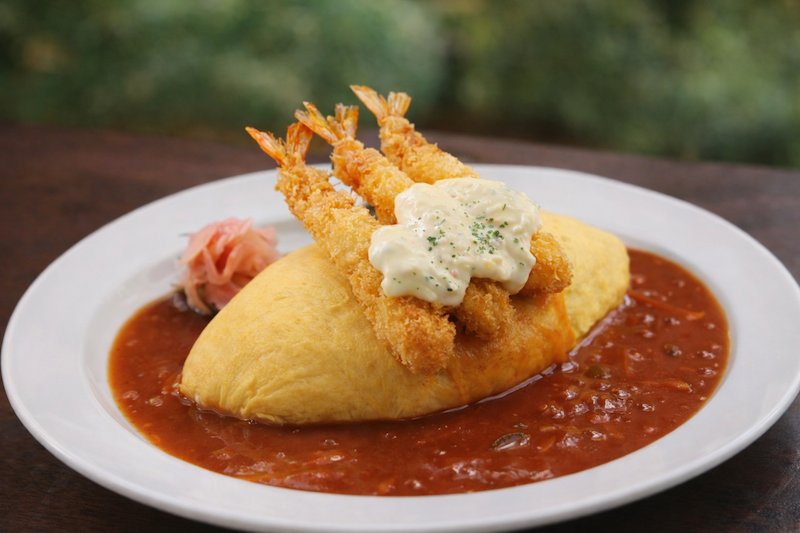
Hokkyokusei Shinsaibashi Main Store (1922) is one of the most representative examples. Known as the origin of omurice in Osaka, the restaurant has not changed its cooking style to match modern trends. Instead, it maintains the pace and flavor of the Showa era. The omelette does not aim for a runny texture, and the balance between rice and ketchup remains rich and substantial. This refusal to cater to trends makes it a place people return to as part of daily life.
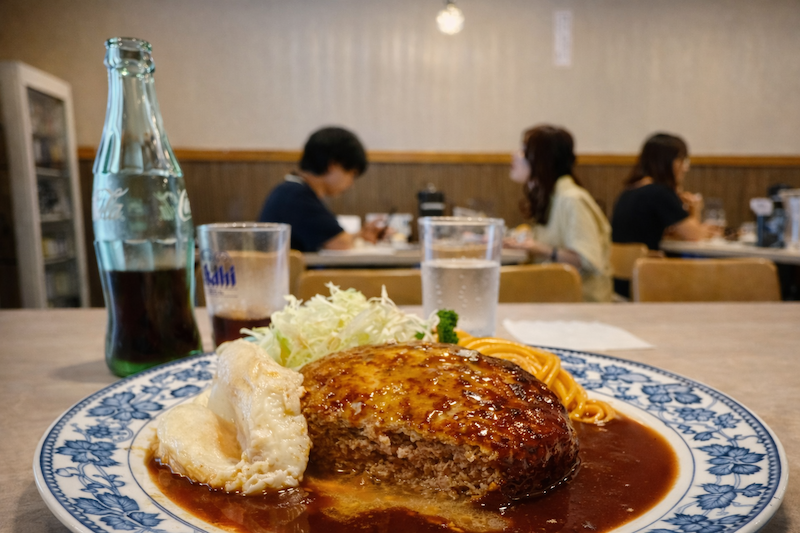
Jyutei (1903), also located within the Namba area, presents another form of a long-established restaurant. As one of Osaka’s representative Western-style eateries, it does not emphasize elaborate décor. Instead, it responds to its long-time local customers through solid cooking and generous portions. The value of such establishments lies not in recreating the past, but in continuing to meet everyday needs.
Curry, coffee, and the everyday flavors that remain
Many of Osaka’s century-old establishments are closely tied to everyday dining rather than special occasions. This is particularly evident in its curry and coffee culture.
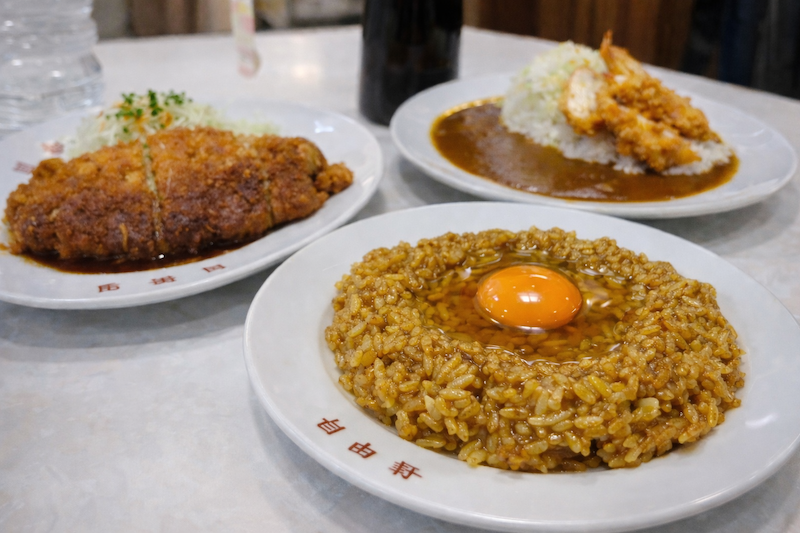
Jiyuken (1910) is a classic example. Its curry does not focus on complex layers of spices. Instead, it offers a mixed texture that delivers a quick and satisfying sense of fullness. This approach reflects the core of Osaka’s food culture: clarity and substance.
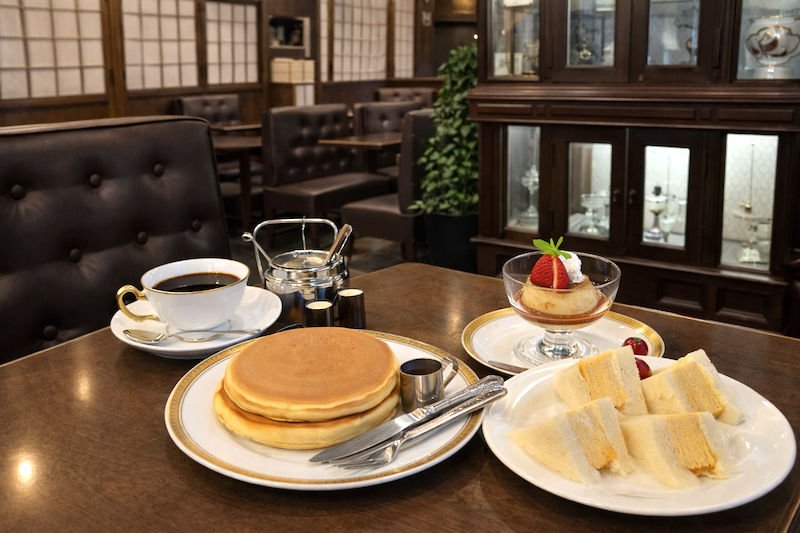
Coffee culture is represented by Marufuku Coffee Shop (1934). Its strong, full-bodied coffee and traditional interior immediately convey a sense of time. This is not a place for a quick stop, but for sitting down and letting time pass slowly. In Osaka, traditional coffee shops are not just about serving drinks, but about continuing the rhythm of the city.
How oden became a vessel of time in Osaka
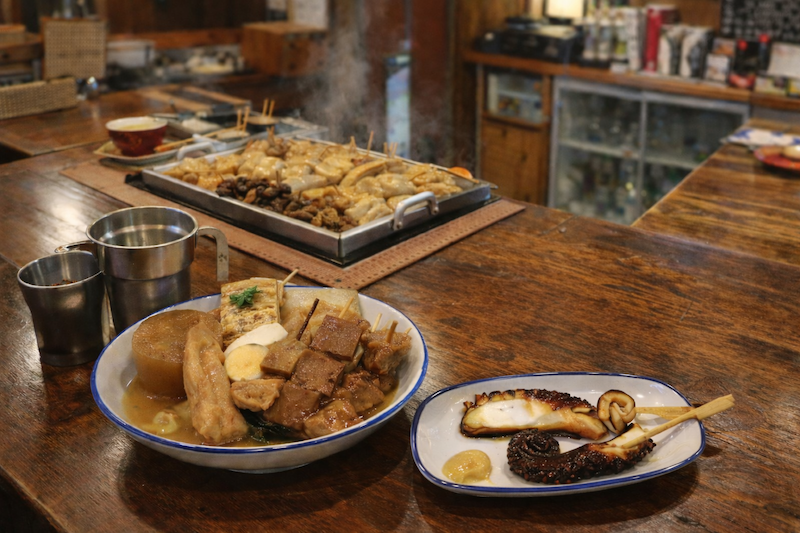
Takoume (1844), a long-established oden shop with over a century of history, is significant not only for its age but because it has largely defined what Osaka-style oden should be. Here, oden is not a quick meal, but a style of dining that unfolds over time.
The broth at Takoume is clear and lightly seasoned. It appears simple, but requires careful adjustments over long periods. The ingredients are minimally processed, relying instead on time and patience to build flavor. This kind of food is not suited to being rushed. You do not enter Takoume for a single dish and leave. Instead, you sit, order several items, pair them with drinks, and let time stretch naturally.
This is what makes Osaka’s long-standing establishments compelling. They are not designed for efficiency or turnover, but for people to stay. In such spaces, time is not a cost, but part of the meal itself. For locals, being able to sit down and enjoy an unhurried meal is an essential part of daily life.
Time truly appears when the city becomes quiet
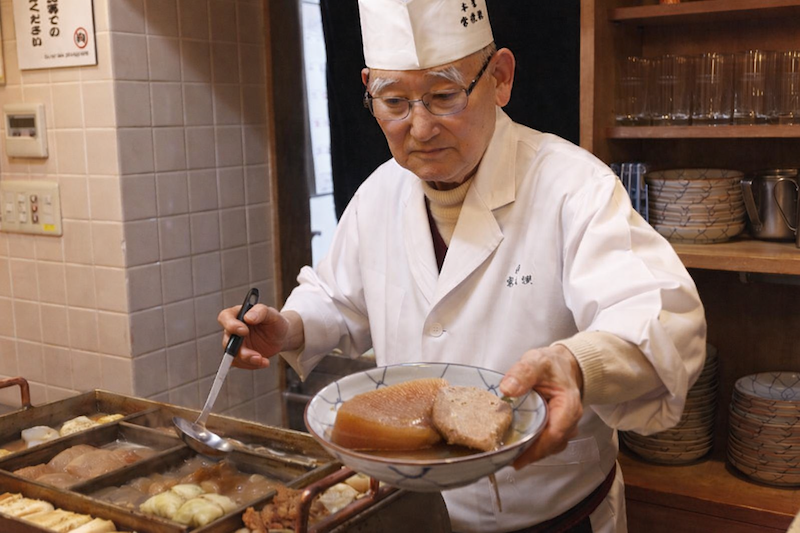
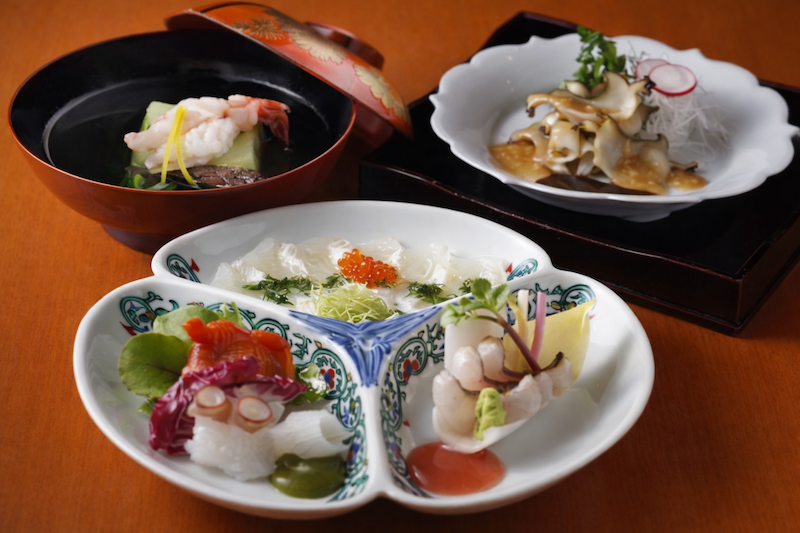
As night falls, another type of long-standing establishment begins to emerge. The daytime city belongs to business, movement, and efficiency, while the night belongs to relationships and trust. Places like Joya-to Toyosaki Main Store (1945) and Naniwa Kappo Kigawa (1965) are not meant to be widely seen, but to be trusted over time.
In Osaka, kappo culture is not simply synonymous with fine dining. It is closer to a careful response to seasonality, ingredients, and the rhythm of each guest. The dishes are not extravagant. Instead, the focus lies on the condition of ingredients that day, the mood of the guest, and whether a meal can be completed through quiet interaction. This kind of relationship takes time to build.
These establishments endure because they do not seek immediate attention. They choose to open at night, to limit seating, and to allow guests to dine slowly. The appeal of Osaka at night lies not in its liveliness, but in these places that continue to make space for time.
Hokkyokusei Shinsaibashi Main Store
Address: 2-7-27 Nishishinsaibashi, Chuo-ku, Osaka
Recommendation: Established in 1922, this traditional Japanese residence with an inner courtyard is considered the birthplace of omurice in Osaka.
Jyutei
Address: 3-1-30 Namba, Chuo-ku, Osaka
Recommendation: Established in 1903, located in a small alley in Namba, known for its hamburger steak and grilled meat set meals.
Jiyuken Namba Main Store
Address: 3-1-34 Namba, Chuo-ku, Osaka
Recommendation: Established in 1910, famous for its signature curry, where a soft-boiled egg is mixed into the rice and curry, often considered the origin of dry curry rice.
Marufuku Coffee Shop Sennichimae Main Store
Address: 1-9-1 Sennichimae, Chuo-ku, Osaka
Recommendation: Established in 1934, known for its Showa-era interior and rich dark-roast coffee, representing Osaka’s coffee culture.
Takoume Main Store
Address: 1-1-8 Dotonbori, Chuo-ku, Osaka
Recommendation: Established in 1844, the oldest existing oden shop in Japan, witnessing the history of Dotonbori.
Joya-to Toyosaki Main Store
Address: 2-8-14 Toyosaki, Kita-ku, Osaka
Recommendation: Established in 1945, frequently visited by novelist Shotaro Ikenami, known for its light yet deep white-broth oden.
Naniwa Kappo Kigawa
Address: 1-7-7 Dotonbori, Chuo-ku, Osaka (Hozenji Yokocho)
Recommendation: Established in 1965, considered a defining establishment of Naniwa kappo culture, incorporating Osaka’s philosophy of resourcefulness into refined cuisine.
Zeroku Hommachi Store
Address: 1-3-22 Hommachi, Chuo-ku, Osaka
Recommendation: Established in 1913, best known for its monaka ice cream, a simple and refreshing sweetness that remains a memory of the Hommachi business district.