Where Did the Áo Dài Come From?

The silhouette of the áo dài was not always as simple and slender as we know it today. Its origins can be traced back to the eighteenth century, influenced by both Chinese clothing and Southeast Asian garments. Earlier versions were layered and loose fitting long robes. It was not until the French colonial period, when Western tailoring concepts entered Vietnam, that the áo dài gradually evolved into the familiar form we see today: fitted to the body, clean in line, with side slits extending to the waist.


This transformation was not simply imitation of the West, but rather a process of local adaptation. Vietnamese designers blended Western three dimensional tailoring with traditional clothing structures, allowing the áo dài to retain its cultural roots while meeting the needs of modern movement and daily life. As a result, it became a garment that could evolve with time without losing its essence.

Why the Áo Dài Feels Quiet Yet Powerful

What makes the áo dài truly captivating is its sense of balance. It does not exaggerate the body’s curves, yet it follows them naturally. It does not rely on heavy decoration, yet its lines, fabrics, and the movement created while walking convey elegance.


People who wear the áo dài often find their pace slowing and their movements becoming softer. This is not a deliberate ritual but a response created by the garment itself. The áo dài does not demand that you become someone else. It simply accompanies you as you stand there, already complete. For this reason, it is often seen as a symbol of Vietnamese femininity. The beauty it represents is not outwardly expressive, but quiet, reserved, and full of presence.

The Áo Dài Is Not Only for Festivals

For many people, the first time they see the áo dài is during festivals, weddings, or performances. In Vietnam, however, it is also part of everyday life. Students wear it as a school uniform, and teachers, flight attendants, and reception staff often wear it while working.


You might see a woman in an áo dài sitting down for a cup of coffee in the early morning, or walking along the street after work while holding a child’s hand. The áo dài is not a cultural artifact stored away. It is something continuously worn in daily life. This is why it has lasted so long without appearing outdated. It has always remained within everyday living, being worn, understood, and experienced.

The Modern Áo Dài: Between Tradition and Innovation

test

In recent years, the áo dài has also taken on new forms. Designers have begun experimenting with different fabrics, colors, and proportions, making the garment lighter and more casual. It can even be paired with jeans or flat shoes and appear in more relaxed settings.


Yet no matter how it changes, several core elements remain: the long silhouette, the side slits, and the tailored structure that embraces the body without restricting it. These details ensure that even in new interpretations, the áo dài remains instantly recognizable. This ability to change without losing its identity reflects Vietnam itself, a country moving forward rapidly while maintaining a connection with its past.


If you want to truly understand the áo dài, you do not necessarily need to visit a museum. Simply walk slowly through Ho Chi Minh City. Around school campuses, near government buildings, or along festive streets, you will see how naturally it exists within the city.

Explore More

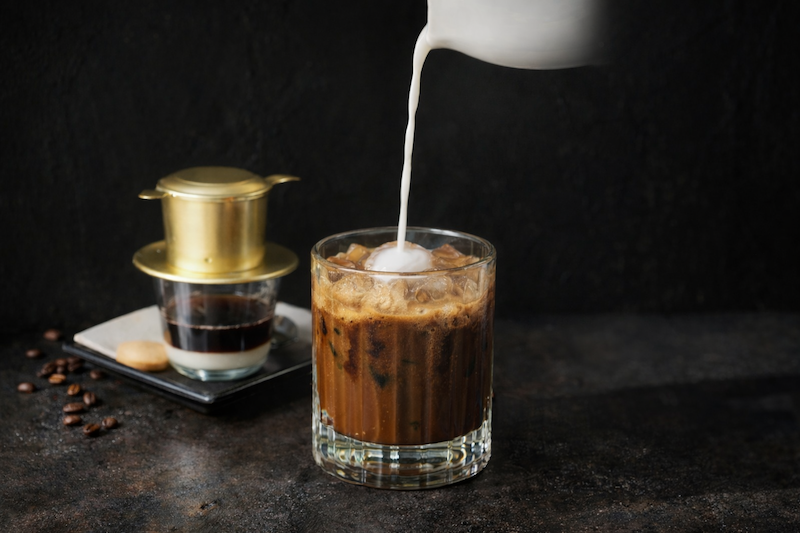
In Vietnam, coffee is not simply a drink to stay awake. It is a rhythm of daily life, a social meeting point, and a form of cultural confidence. Sitting in a café in Ho Chi Minh City, you are not just drinking coffee. You are observing how a city shaped its own coffee language through colonial history, tropical climate, and local creativity. Drinking Vietnamese coffee is a way to understand how everyday life becomes part of every aroma and sip.

More

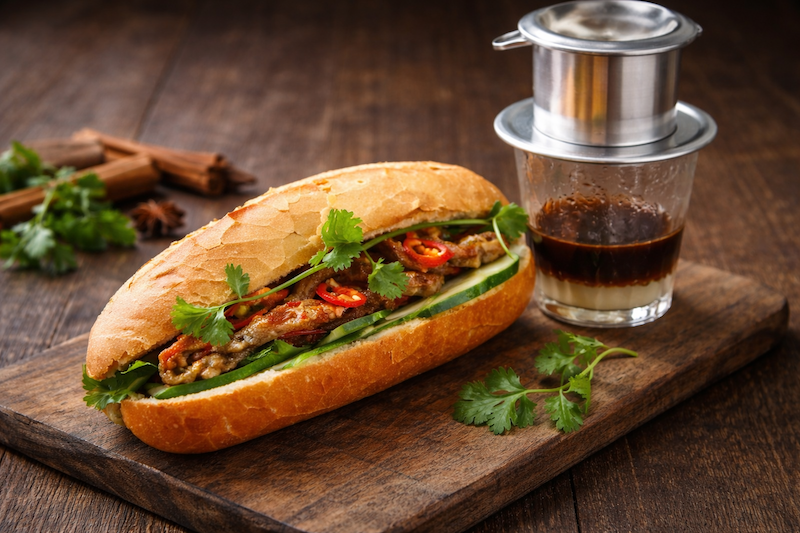
In Ho Chi Minh City, French cuisine is not a culture preserved behind glass. It lives within everyday choices. From the steaming baguettes at a street corner in the early morning to French restaurants hidden inside old houses, these flavors are not simply traces of history. They have been reinterpreted and reused by Vietnamese people, becoming part of the city’s daily landscape.

More

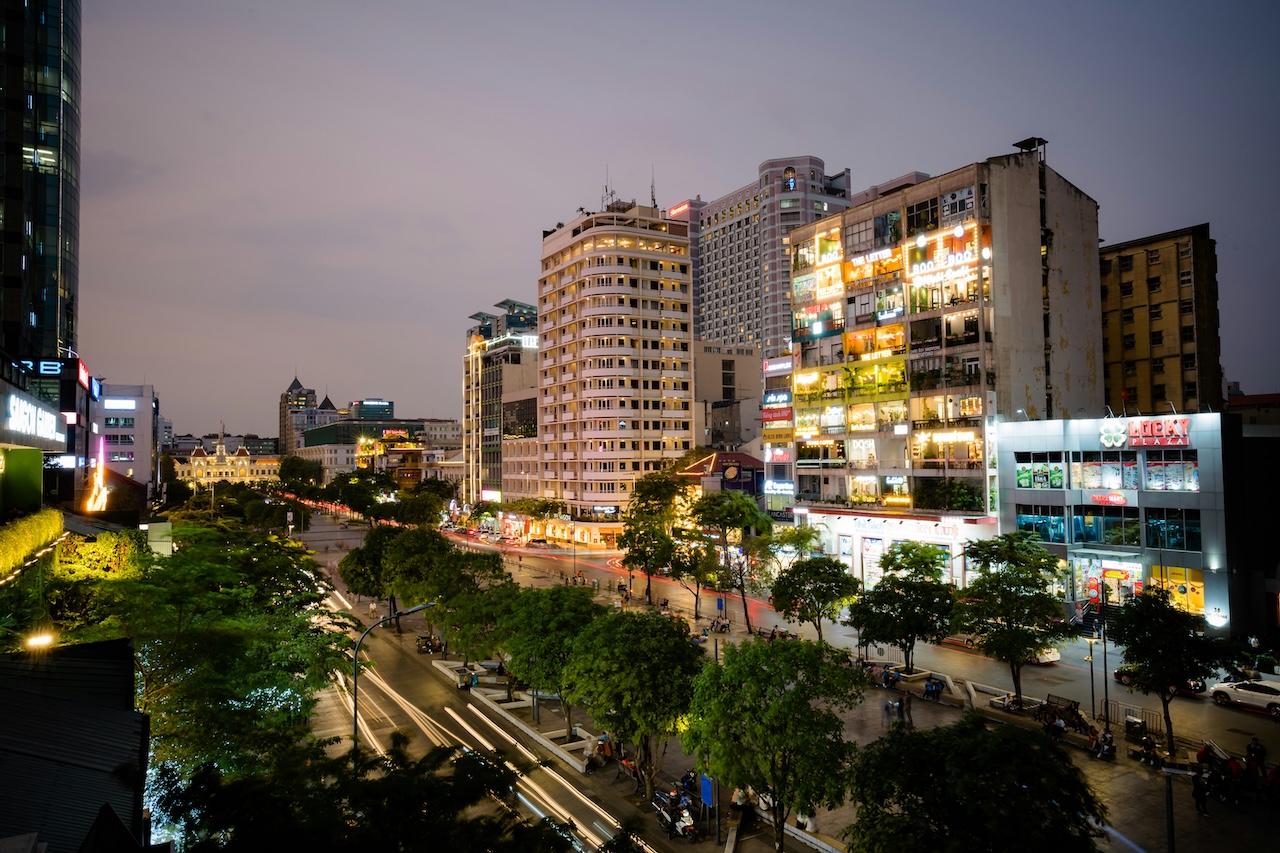
Where you choose to stay often shapes the entire feeling of a trip. District 1 in Ho Chi Minh City is exactly that kind of place. It stands at the city’s core without feeling overwhelming. The rhythm is distinct, yet daily life remains flexible. From here, you do not need to rush between attractions. Simply start walking, have a coffee, watch the streets, and the city will naturally reveal itself to you.

More

In Vietnam, coffee is not simply a drink to stay awake. It is a rhythm of daily life, a social meeting point, and a form of cultural confidence. Sitting in a café in Ho Chi Minh City, you are not just drinking coffee. You are observing how a city shaped its own coffee language through colonial history, tropical climate, and local creativity. Drinking Vietnamese coffee is a way to understand how everyday life becomes part of every aroma and sip.

More

In Ho Chi Minh City, French cuisine is not a culture preserved behind glass. It lives within everyday choices. From the steaming baguettes at a street corner in the early morning to French restaurants hidden inside old houses, these flavors are not simply traces of history. They have been reinterpreted and reused by Vietnamese people, becoming part of the city’s daily landscape.

More

Where you choose to stay often shapes the entire feeling of a trip. District 1 in Ho Chi Minh City is exactly that kind of place. It stands at the city’s core without feeling overwhelming. The rhythm is distinct, yet daily life remains flexible. From here, you do not need to rush between attractions. Simply start walking, have a coffee, watch the streets, and the city will naturally reveal itself to you.

More
隱私權頁背景

Privacy Policy

Thank you for visiting the official website of MEANDER Saigon (hereinafter referred to as “this Website”). To protect personal data and ensure a secure browsing experience, this Privacy Policy explains how personal information is collected, used, and protected. Please read this policy carefully before using this Website.

Scope of This Policy

This Privacy Policy applies to the collection, processing, and use of personal data during browsing and use of this Website. If links on this Website lead to third-party websites, please refer to the privacy policies of those respective websites.

Collection and Use of Personal Data

Browsing this Website or accessing general information does not require the provision of personal data.
If personal information is submitted through the “Contact Us” form, booking system, or other interactive services, relevant details such as name, phone number, or email address may be collected to respond to inquiries or requests.
In addition, system logs may automatically record browsing data, including but not limited to IP address, device type, browser type, access time, and interaction behavior. Such data is used solely for statistical analysis and website optimization and does not identify individual users.

Use of Cookies

This Website uses cookies to store user preferences, improve browsing experience, and support website optimization, including through third-party services such as analytics tools. Cookies may be disabled through browser settings; however, some website functions may not operate properly as a result.

Data Protection and Management

Appropriate information security measures are implemented, including firewalls, access control, and encryption technologies. Access to personal data is limited to authorized personnel for business purposes, all of whom are bound by confidentiality obligations. If outsourced services are required, compliance with applicable data protection regulations will be required.

Disclosure of Personal Data and Third-Party Use

Personal data will not be provided, sold, rented, or exchanged with third parties. Exceptions may apply under the following circumstances:

  • With consent or authorization
  • When required by law or competent authorities
  • To protect individual rights or the legitimate interests of this Website
  • When necessary to provide requested services in cooperation with partners (such as third-party booking systems)

Data Subject Rights

In accordance with applicable personal data protection laws, the following rights may be exercised regarding provided personal data:

  • Request access or review
  • Request copies
  • Request corrections or updates
  • Request cessation of use or deletion

This policy applies only to personal data collected through this Website. For third-party websites accessed via links, please refer to their respective privacy policies.

Website Security Policy

To ensure secure use of this Website, the following security measures are implemented:

  • Deployment of firewalls, intrusion detection, and anti-virus systems
  • Regular backups and vulnerability scans
  • Restricted administrative access to authorized personnel only
  • Regular security patch updates
  • Incident response drills and simulations

Unauthorized access, alteration, or damage to data may result in legal action.

Policy Updates

This Website reserves the right to revise this Privacy Policy at any time. Significant changes will be announced on this Website without individual notification. Regular review of this page is recommended.