How Coffee Arrived in Vietnam

Coffee first arrived in Vietnam in the mid nineteenth century, around 1857, when French colonists introduced coffee plants to the region. Arabica beans were initially cultivated in northern and central Vietnam. Later, farmers discovered that the Central Highlands were better suited for Robusta beans.


Robusta adapts well to tropical climates and produces a stronger bitterness and higher caffeine content. Over time, local cultivation and processing techniques developed, and Vietnam gradually became the second largest coffee exporter in the world, after Brazil. This history not only built the Vietnamese coffee industry but also shaped local drinking habits and culture.
Why Does Vietnamese Coffee Use Condensed Milk

test

Vietnamese coffee often appears dark and intense, yet pleasantly sweet. This is because it uses condensed milk rather than fresh milk. The habit began during the French colonial period when fresh milk was difficult to store in the tropical climate. Condensed milk was easier to preserve, sweeter, and more affordable. Vietnamese people began adding it to coffee, creating a flavor that is both rich and aromatic.


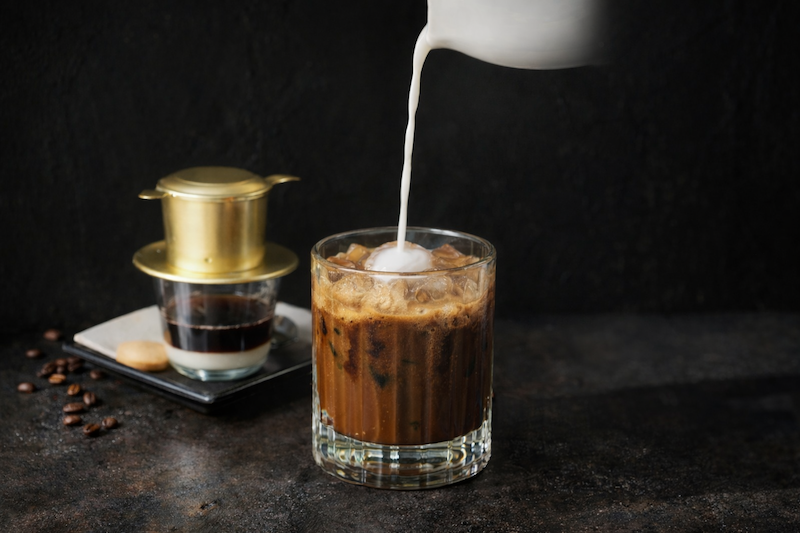
This method later evolved into the classic Vietnamese iced coffee with condensed milk, known as cà phê sữa đá. Coffee is slowly brewed using a small metal drip filter and then combined with condensed milk and ice. The result is a layered taste where bitterness and sweetness coexist.

Drip Filter, Condensed Milk, and Ice: How Vietnamese Coffee Is Enjoyed

The most classic way to brew Vietnamese coffee uses a small metal drip filter called a phin. Hot water slowly passes through the coffee grounds and drips into the cup below. Because Vietnamese coffee commonly uses Robusta beans, the flavor is naturally strong and bitter. When condensed milk and ice are added, the drink becomes smooth, sweet, and rich. In a hot climate, this method is both practical and deeply embedded in everyday life.


There are several common ways to drink Vietnamese coffee:

・Iced coffee with condensed milk (Cà phê sữa đá)

The most classic style. It may appear sweet, but the coffee flavor remains clear and balanced.

・Black coffee (Cà phê đen)

Served without condensed milk. The taste is more direct, with a stronger bitterness.

・Hot coffee / Iced coffee

Both versions are brewed with the drip filter. People simply choose according to the weather or their mood.


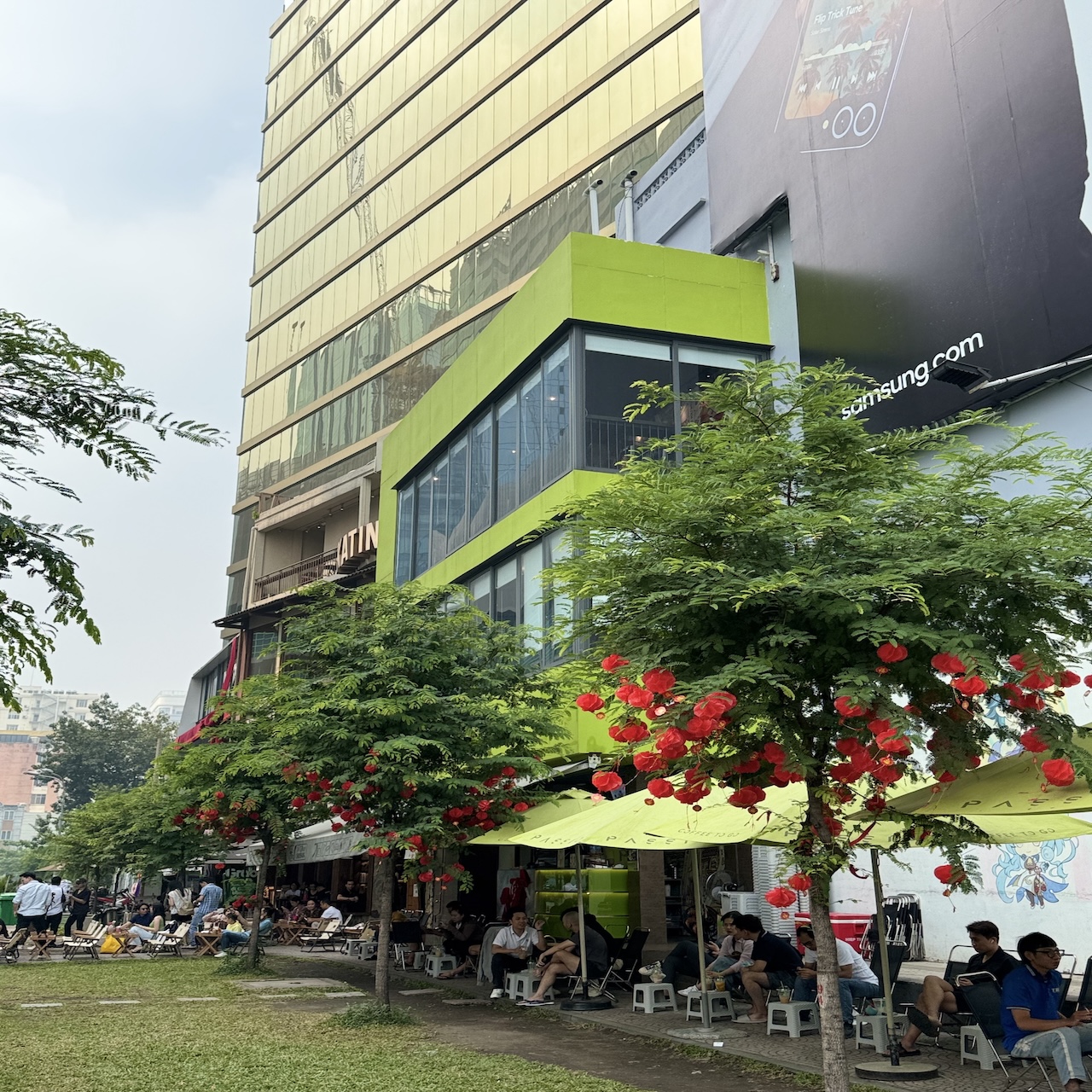
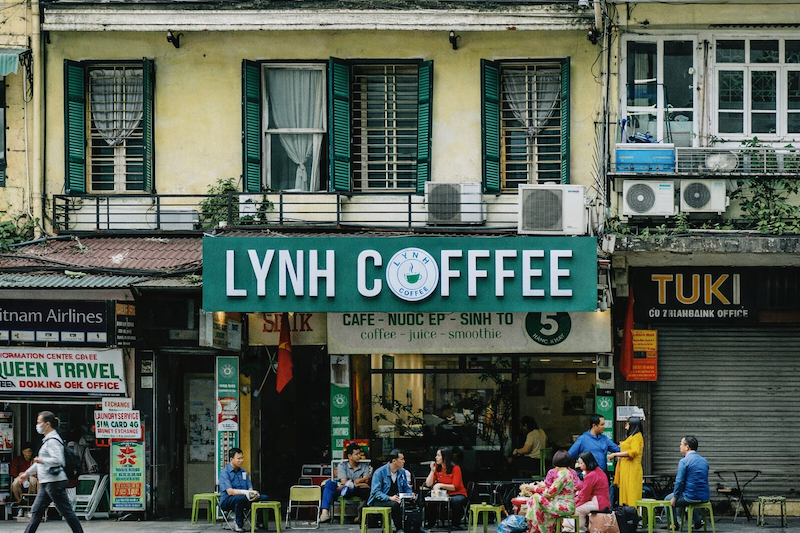
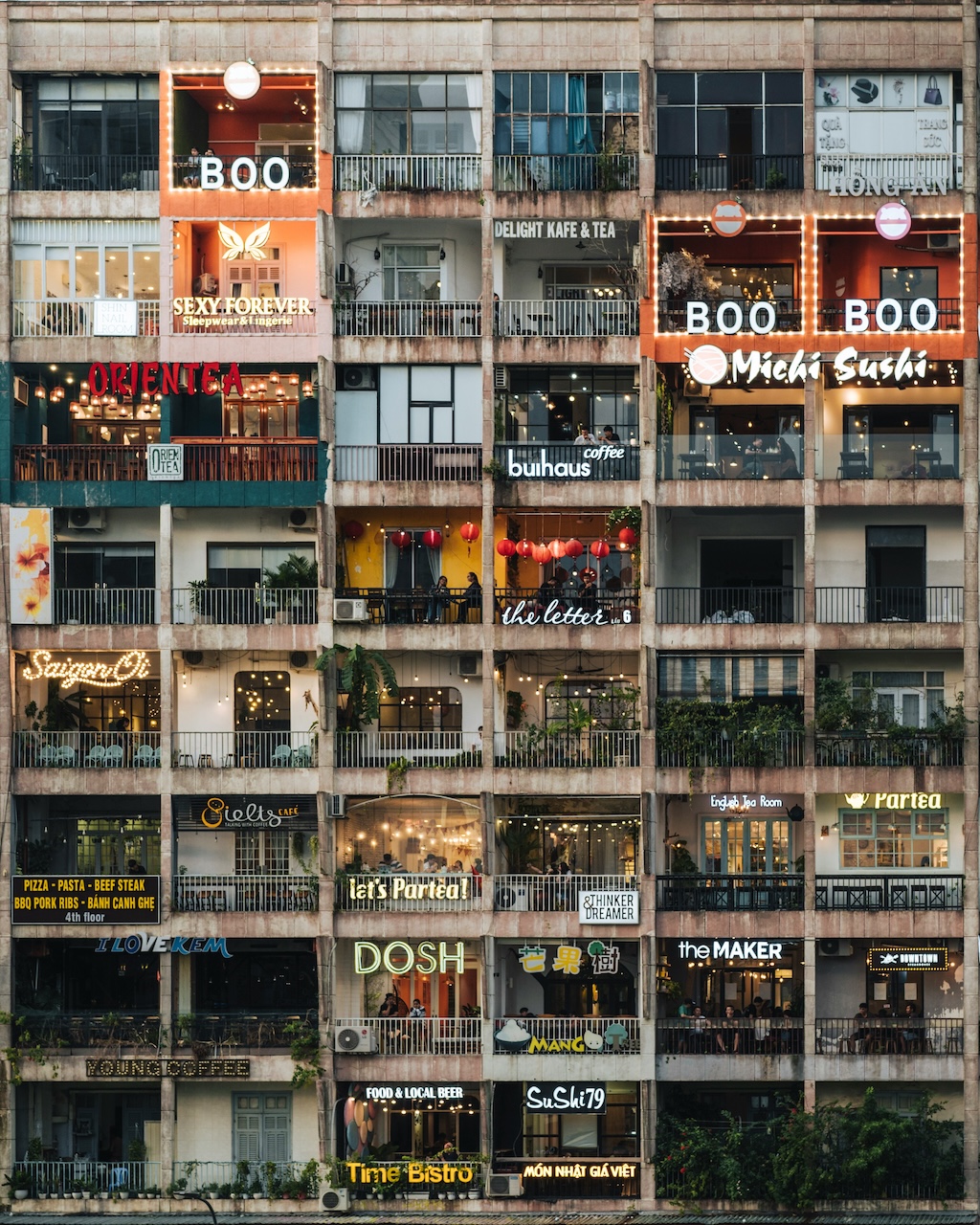
This method turns coffee into a drink meant to be enjoyed slowly. It is very different from fast takeaway culture. In Vietnam, people often sit at small street cafés, drinking coffee while chatting with friends, waiting for someone, or simply watching the city pass by.

Vietnamese Coffee Flavors and Variations

Beyond condensed milk coffee, Vietnam also offers several unique and locally inspired coffee styles:


・Egg coffee (Cà phê trứng)

Originating in the 1940s when milk was scarce, this drink uses whipped egg yolk mixed with sugar and condensed milk, creating a creamy foam layered over strong coffee. The texture is smooth and almost dessert like.

・Coconut coffee (Cà phê dừa)

Coconut milk or coconut cream is blended with coffee and condensed milk, creating a tropical flavor. It has become one of the most popular modern variations in Vietnamese cafés.

・Milk heavy coffee (Cà phê bạc xỉu)

Contains more milk than the typical condensed milk coffee. The result is sweeter and lighter, making it suitable for those who prefer less bitterness.

・Yogurt coffee (Sữa chua cà phê)

Coffee combined with yogurt or a yogurt cream layer, creating an interplay of sweetness, acidity, and bitterness.


These variations make Vietnamese coffee more than just a beverage. They form a sensory map shaped by the country’s climate, history, and creativity.

From Tradition to Specialty Coffee

test
test

In recent years, Vietnamese coffee culture has expanded beyond classic condensed milk coffee. Modern specialty cafés now highlight Vietnamese beans from specific regions and experiment with roasting profiles. Brewing methods such as pour over, siphon brewing, and creative cold brew techniques allow people to explore more delicate flavors. Travelers can discover Vietnamese coffee in a more refined way.


Vietnamese coffee today exists in two worlds at once. It can be a simple street drink or a carefully crafted specialty experience.

Coffee as a Daily Ritual

In Vietnam, coffee is almost an invitation. It invites you to slow down, sit for a while, and then continue your day. Unlike fast takeaway coffee culture, Vietnamese coffee has its own rhythm. You order a cup, wait for it to drip, stir it, and drink it slowly. For many people, coffee is the first moment of the day or a quiet pause in the afternoon.


Vietnamese Coffee Spots Near District 1

The Workshop Coffee

Address: 27 Ngô Đức Kế, Bến Nghé, Quận 1, Thành phố Hồ Chí Minh

Recommended: A great place to explore specialty coffee and Vietnamese coffee beans.


Trung Nguyen Legend Coffee

Address: 164 Pasteur, Phường, Quận 1, Thành phố Hồ Chí Minh

Recommended: A well known Vietnamese coffee brand where you can try both classic and creative coffee styles.


Lacàph Coffee Experiences Space

Address: Upstairs, 220 Nguyễn Công Trứ, Phường Nguyễn Thái Bình, Quận 1, Thành phố Hồ Chí Minh

Recommended: A coffee experience space where visitors can learn more about Vietnamese coffee culture.


The Old Compass Cafe

Address: 63/11 Pasteur, Bến Nghé, Quận 1, Thành phố Hồ Chí Minh

Recommended: Offers drinks that blend traditional drip coffee with modern café style.

Explore More

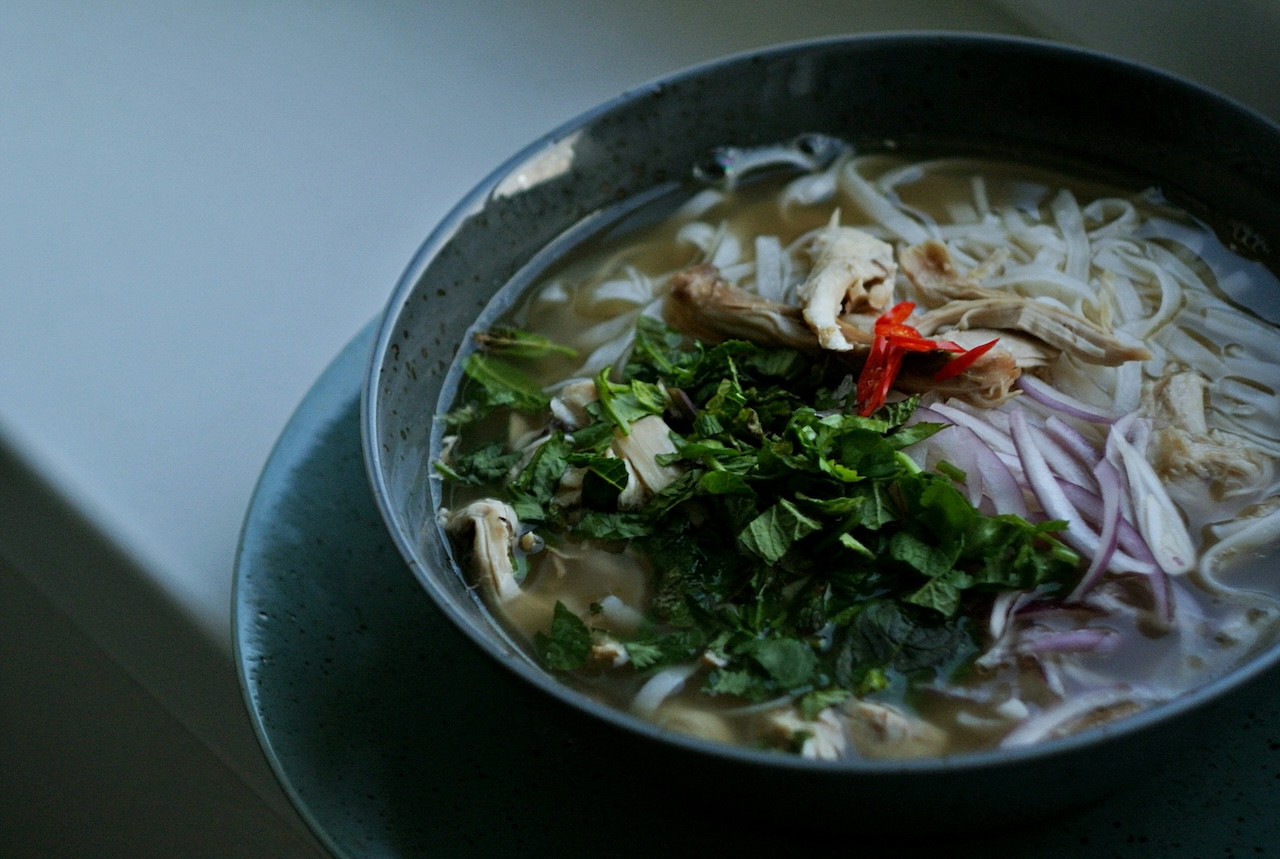
For many people, their first encounter with Vietnam begins with food. A bowl of pho, a plate of fresh herbs, a low table with small plastic stools. That is often enough to sit down and slowly enter the rhythm of the city. For Vietnamese people, eating is not a scheduled activity. It is something that naturally unfolds every day. Travel, too, becomes real through these everyday flavors.

More

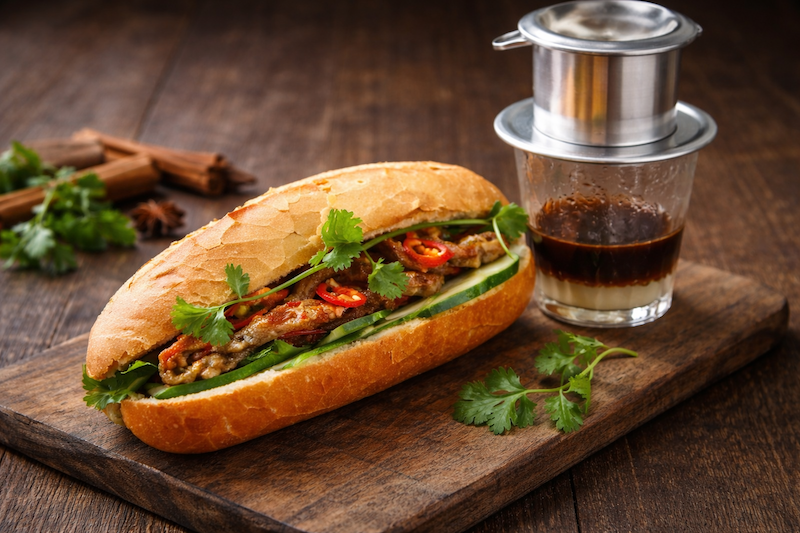
In Ho Chi Minh City, French cuisine is not a culture preserved behind glass. It lives within everyday choices. From the steaming baguettes at a street corner in the early morning to French restaurants hidden inside old houses, these flavors are not simply traces of history. They have been reinterpreted and reused by Vietnamese people, becoming part of the city’s daily landscape.

More

In Vietnam, clothing is not merely decoration. It is a quiet form of cultural expression. If there is one garment that can move naturally between streets, campuses, festivals, and everyday life, it is the áo dài. It is not loud, yet it is always present. It does not try to display itself, yet it is remembered at a glance. The áo dài is Vietnam’s most gentle and most steadfast cultural language.

More

For many people, their first encounter with Vietnam begins with food. A bowl of pho, a plate of fresh herbs, a low table with small plastic stools. That is often enough to sit down and slowly enter the rhythm of the city. For Vietnamese people, eating is not a scheduled activity. It is something that naturally unfolds every day. Travel, too, becomes real through these everyday flavors.

More

In Ho Chi Minh City, French cuisine is not a culture preserved behind glass. It lives within everyday choices. From the steaming baguettes at a street corner in the early morning to French restaurants hidden inside old houses, these flavors are not simply traces of history. They have been reinterpreted and reused by Vietnamese people, becoming part of the city’s daily landscape.

More

In Vietnam, clothing is not merely decoration. It is a quiet form of cultural expression. If there is one garment that can move naturally between streets, campuses, festivals, and everyday life, it is the áo dài. It is not loud, yet it is always present. It does not try to display itself, yet it is remembered at a glance. The áo dài is Vietnam’s most gentle and most steadfast cultural language.

More
隱私權頁背景

Privacy Policy

Thank you for visiting the official website of MEANDER Saigon (hereinafter referred to as “this Website”). To protect personal data and ensure a secure browsing experience, this Privacy Policy explains how personal information is collected, used, and protected. Please read this policy carefully before using this Website.

Scope of This Policy

This Privacy Policy applies to the collection, processing, and use of personal data during browsing and use of this Website. If links on this Website lead to third-party websites, please refer to the privacy policies of those respective websites.

Collection and Use of Personal Data

Browsing this Website or accessing general information does not require the provision of personal data.
If personal information is submitted through the “Contact Us” form, booking system, or other interactive services, relevant details such as name, phone number, or email address may be collected to respond to inquiries or requests.
In addition, system logs may automatically record browsing data, including but not limited to IP address, device type, browser type, access time, and interaction behavior. Such data is used solely for statistical analysis and website optimization and does not identify individual users.

Use of Cookies

This Website uses cookies to store user preferences, improve browsing experience, and support website optimization, including through third-party services such as analytics tools. Cookies may be disabled through browser settings; however, some website functions may not operate properly as a result.

Data Protection and Management

Appropriate information security measures are implemented, including firewalls, access control, and encryption technologies. Access to personal data is limited to authorized personnel for business purposes, all of whom are bound by confidentiality obligations. If outsourced services are required, compliance with applicable data protection regulations will be required.

Disclosure of Personal Data and Third-Party Use

Personal data will not be provided, sold, rented, or exchanged with third parties. Exceptions may apply under the following circumstances:

  • With consent or authorization
  • When required by law or competent authorities
  • To protect individual rights or the legitimate interests of this Website
  • When necessary to provide requested services in cooperation with partners (such as third-party booking systems)

Data Subject Rights

In accordance with applicable personal data protection laws, the following rights may be exercised regarding provided personal data:

  • Request access or review
  • Request copies
  • Request corrections or updates
  • Request cessation of use or deletion

This policy applies only to personal data collected through this Website. For third-party websites accessed via links, please refer to their respective privacy policies.

Website Security Policy

To ensure secure use of this Website, the following security measures are implemented:

  • Deployment of firewalls, intrusion detection, and anti-virus systems
  • Regular backups and vulnerability scans
  • Restricted administrative access to authorized personnel only
  • Regular security patch updates
  • Incident response drills and simulations

Unauthorized access, alteration, or damage to data may result in legal action.

Policy Updates

This Website reserves the right to revise this Privacy Policy at any time. Significant changes will be announced on this Website without individual notification. Regular review of this page is recommended.